


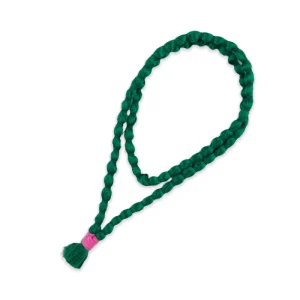

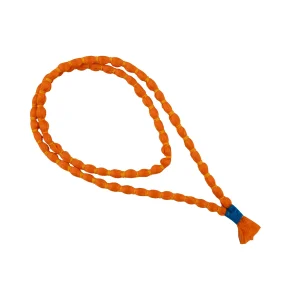

Pavitralu Pavitra Mala
Original price was: ₹420.00.₹300.00Current price is: ₹300.00.
Size – 22″ inches
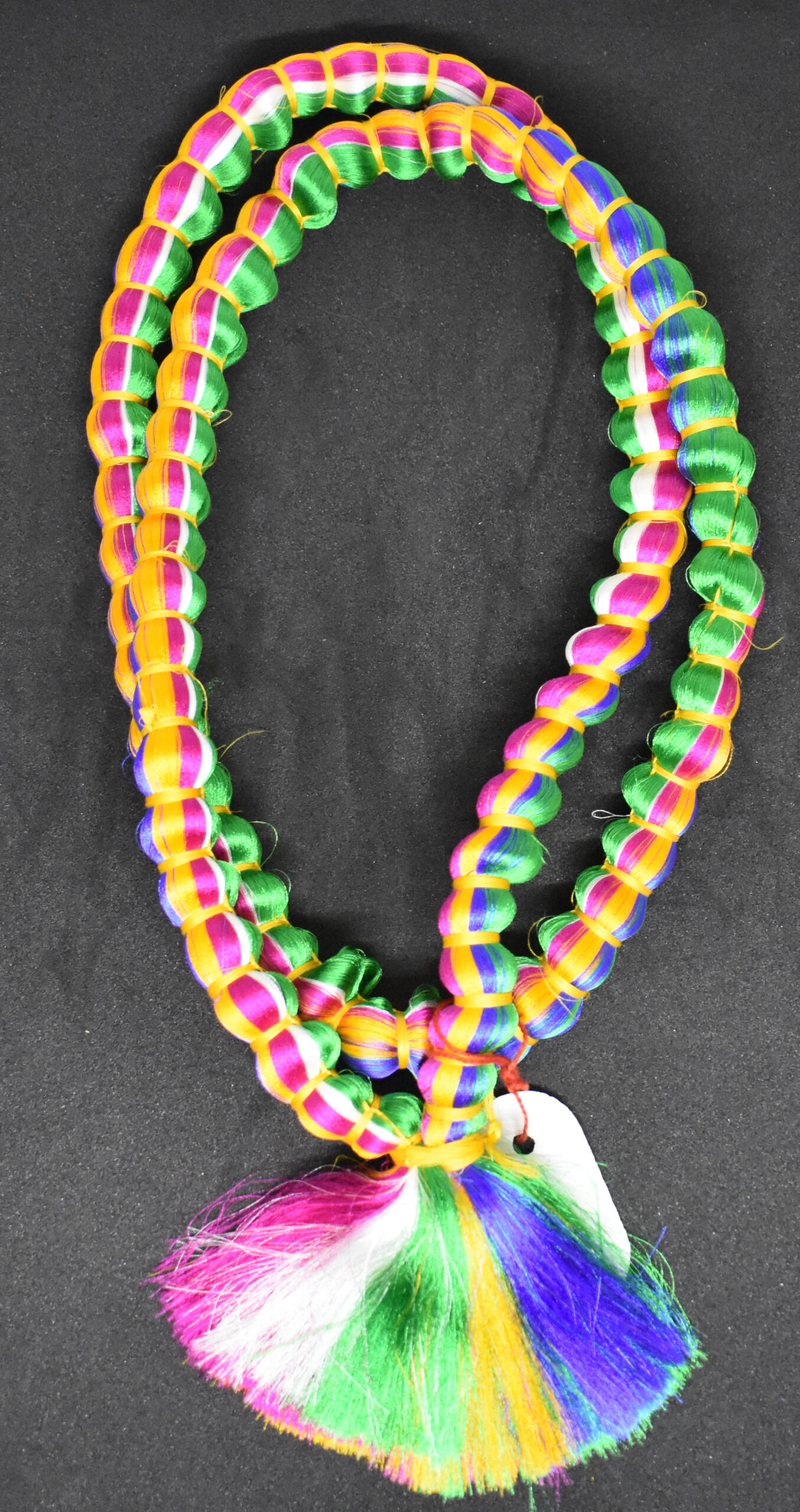
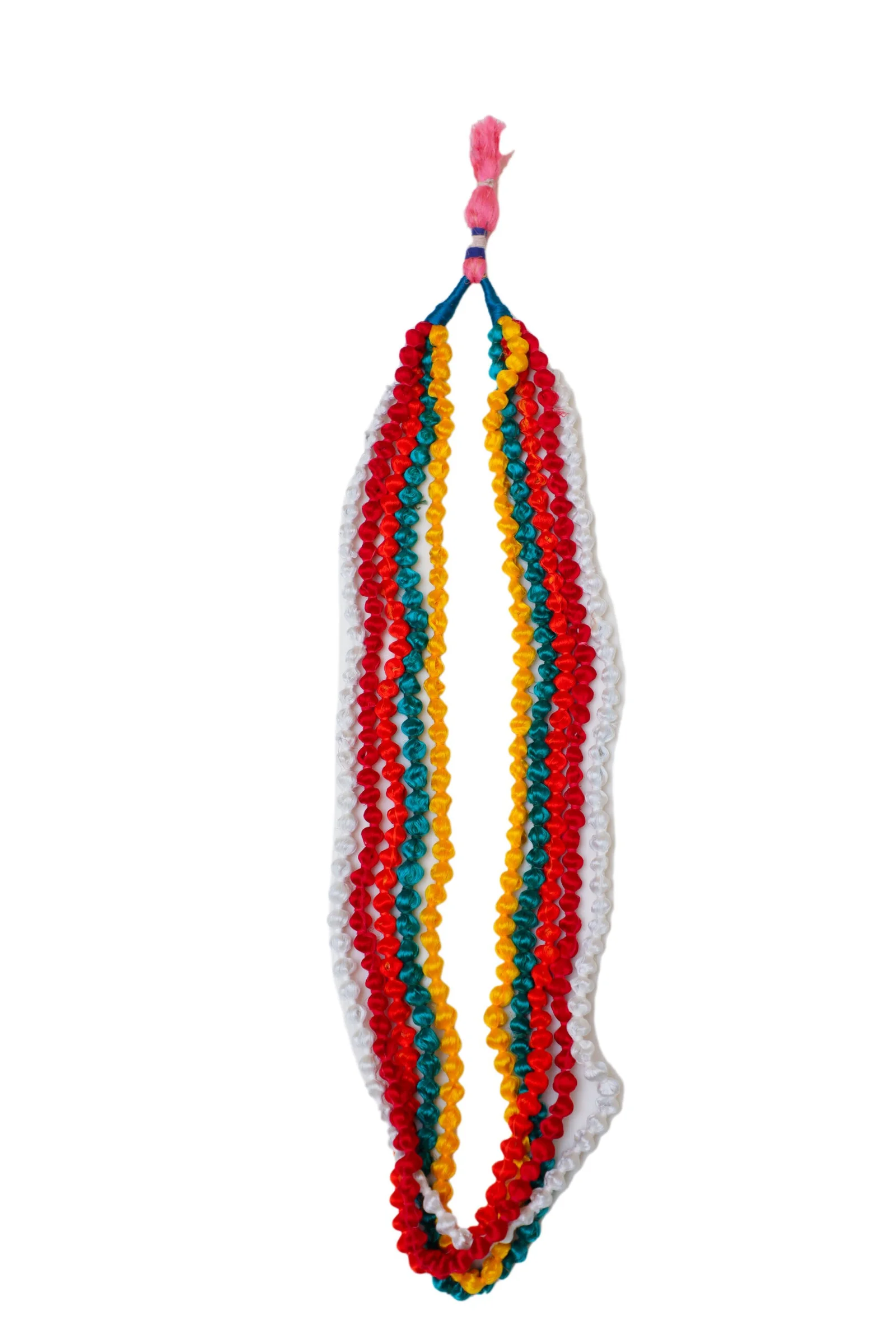
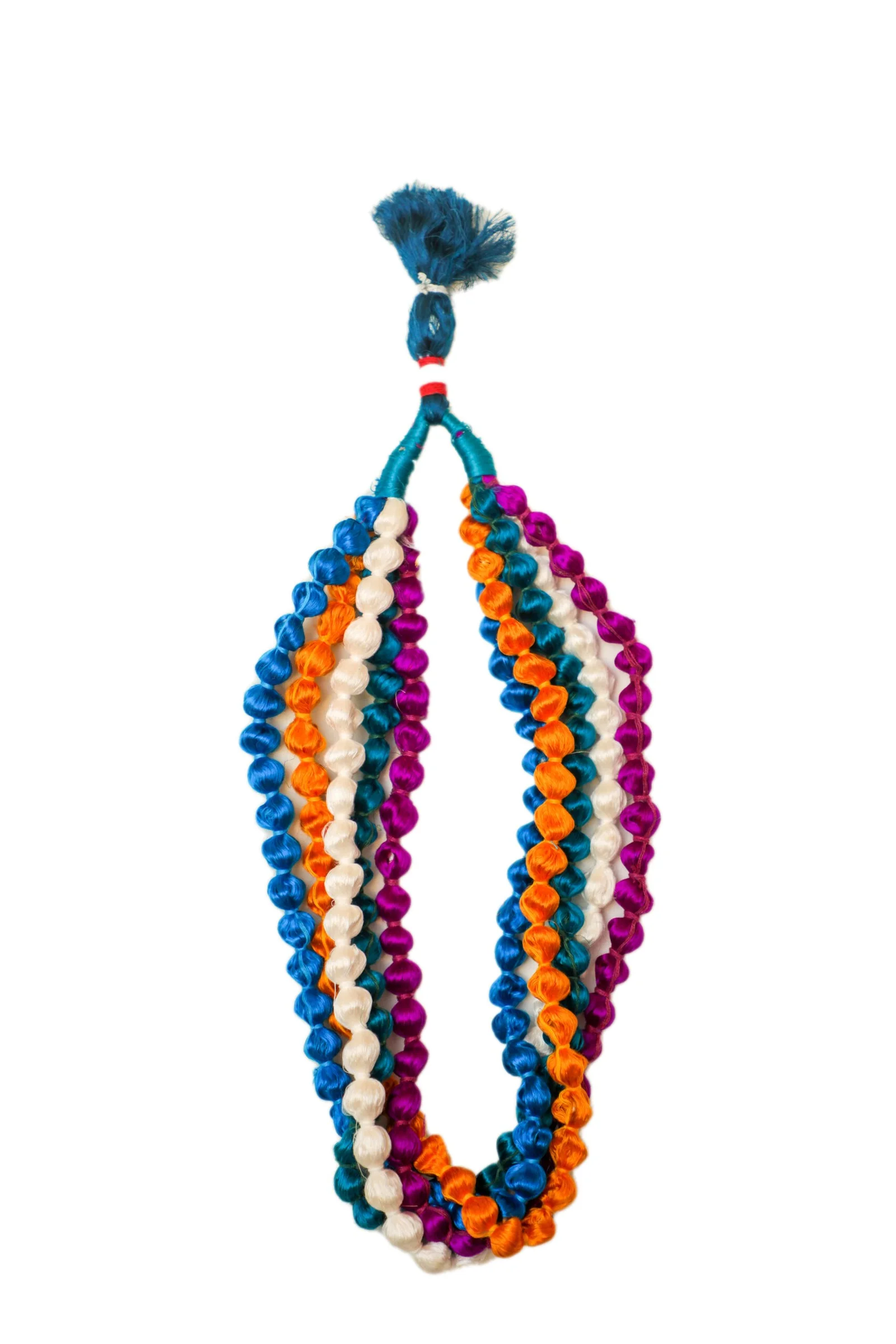
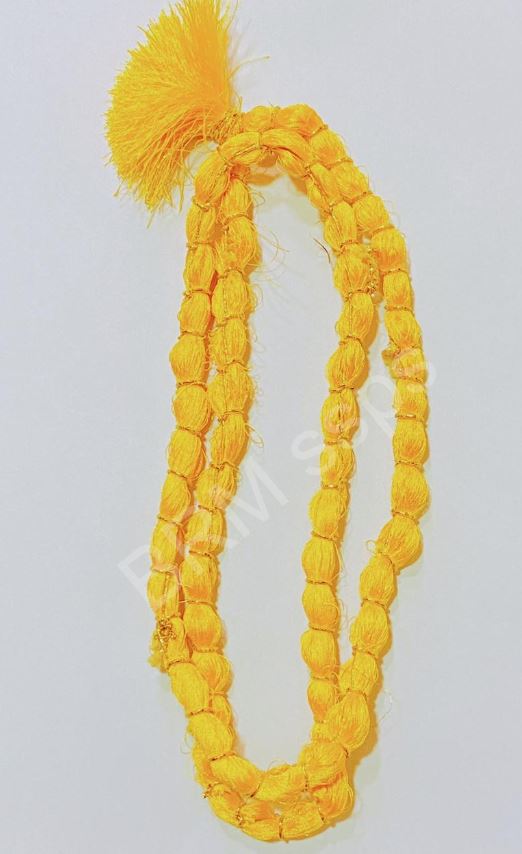
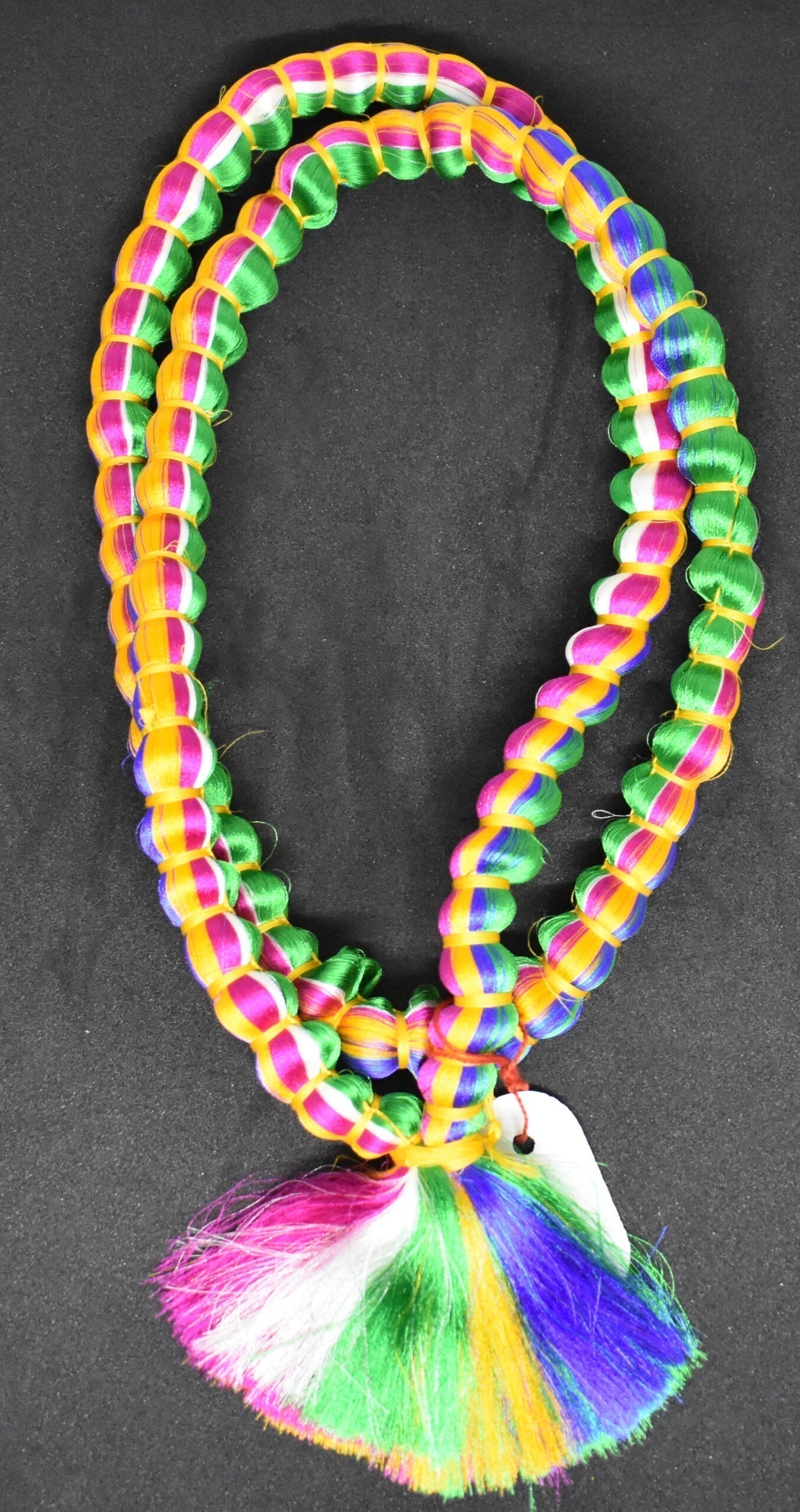
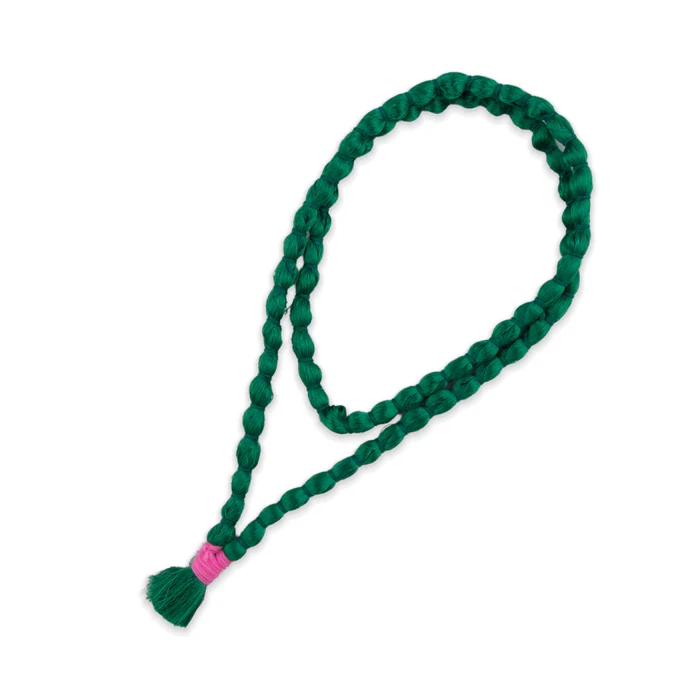
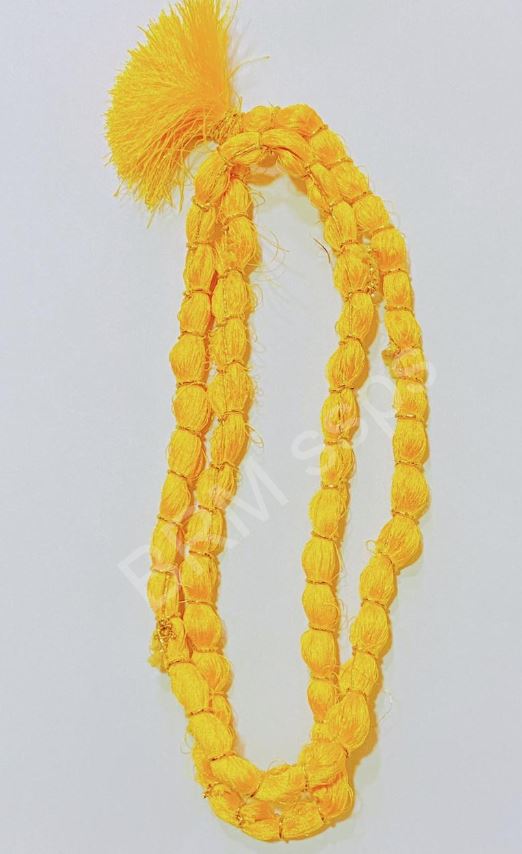
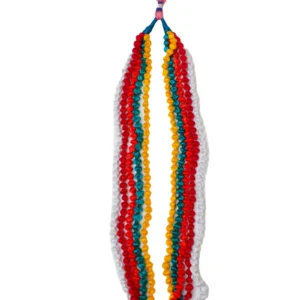
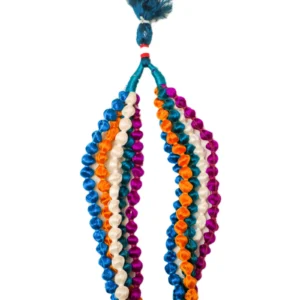
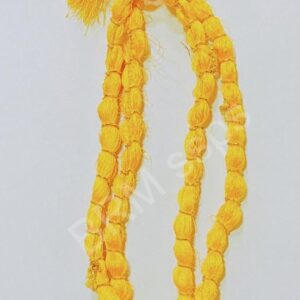
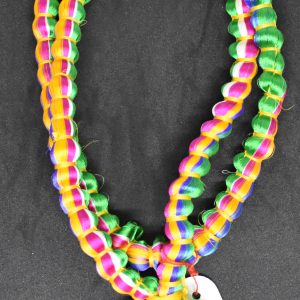
Contains: One Pavitralu Pavitra Mala, meticulously crafted with 360 thread cotton and 180 knots, ready to be used for meditation, prayer, or as an offering in rituals.
Assorted colors based on availability.
14 in stock
Pavitralu or Pavitra Mala: A Sacred Tradition of Purity and Devotion (Lord Vishnu, Perumaal)
Pavitralu Pavitra Mala holds profound spiritual significance in various Hindu rituals and practices. This sacred garland is intricately crafted using 360 cotton threads, with 180 knots tied, mirroring the structure of a Japamala, which typically has 108 knots. The cotton threads used in making the mala are considered sacred and pure, elevating its spiritual value and making it an essential component of many Vedic rituals. DEVUDU MALA
Significance of Pavitralu Pavitra Mala
Cotton, the primary material used in the creation of the Pavitralu Pavitra Mala, is revered for its purity and sanctity in Hinduism. It is considered the most beautiful and sacred material due to its association with fire. Cotton is known to be consumed quickly by fire, symbolizing purity, and is therefore an ideal offering in Vedic rituals. Its use in the Pavitralu Pavitra Mala signifies the removal of impurities and the strengthening of spiritual practice.
The Bhavas of Pavitra Mala
In ancient literature, the Pavitra Mala is associated with different bhavas (mental states or attitudes) symbolized by various colors of pavitra. These colors represent distinct qualities or states of being:
- Kesri-colored Pavitra: Represents the Satvik bhava, associated with purity, clarity, and calmness.
- White and Red Pavitra: Represents the Rajas bhava, symbolizing activity, passion, and dynamism.
- Green-colored Pavitra: Represents the Tamas bhava, symbolizing ignorance, inertia, and dullness.
- Sky Blue Pavitra: Represents the Nirguna bhava, a state of formlessness and transcendence.
The Five-Color Pavitra, combining all of these shades, embodies all the bhavas, signifying the complete spectrum of human emotions and spiritual states.
Historical Evolution of Pavitra
The tradition of the Pavitralu Pavitra Mala has evolved over the ages, reflecting different eras of Hindu cosmology:
- Satyuga: The pavitra was made of jewels, signifying the purity and opulence of the age.
- Tretayuga: The pavitra was crafted from gold, symbolizing the wealth and spiritual glow of the time.
- Dwaparyuga: The pavitra became a silk thread, representing the era’s refined, delicate nature.
- Kaliyuga: In the current age, cotton is used to make the Pavitralu Pavitra Mala, symbolizing simplicity, humility, and devotion.
Each transition in material reflects the changing nature of human consciousness and spiritual practices across the ages.
Pavitralu Pavitra Mala and Its Role in Ekadashi
The significance of the Pavitralu Pavitra Mala is especially emphasized on Pavitra Ekadashi, a sacred day in the Hindu calendar. On this day, the Lord accepts the offerings of pavitra from devotees in various forms, and based on the type of pavitra offered, the appropriate Bhakti Bhava (devotional attitude) is bestowed upon them. Whether it is the Satvik purity of Kesri-colored cotton or the dynamic passion of red and white threads, each pavitra represents the devotion of the offering individual, and the Lord acknowledges their devotion accordingly.
| Weight | 0.250 kg |
|---|---|
| Dimensions | 14 × 14 × 8 cm |
| COLORS | ORANGE, LIGHT ORANGE, YELLOW, DARK GREEN, MULTI COLOR |
Be the first to review “Pavitralu Pavitra Mala”
Related products




Reviews
There are no reviews yet.